Shoshone County Formal Eviction Rate 2020 Idaho: Crisis, Causes & Community Impact
Introduction: The Hidden Housing Crisis in Idaho’s Silver Valley
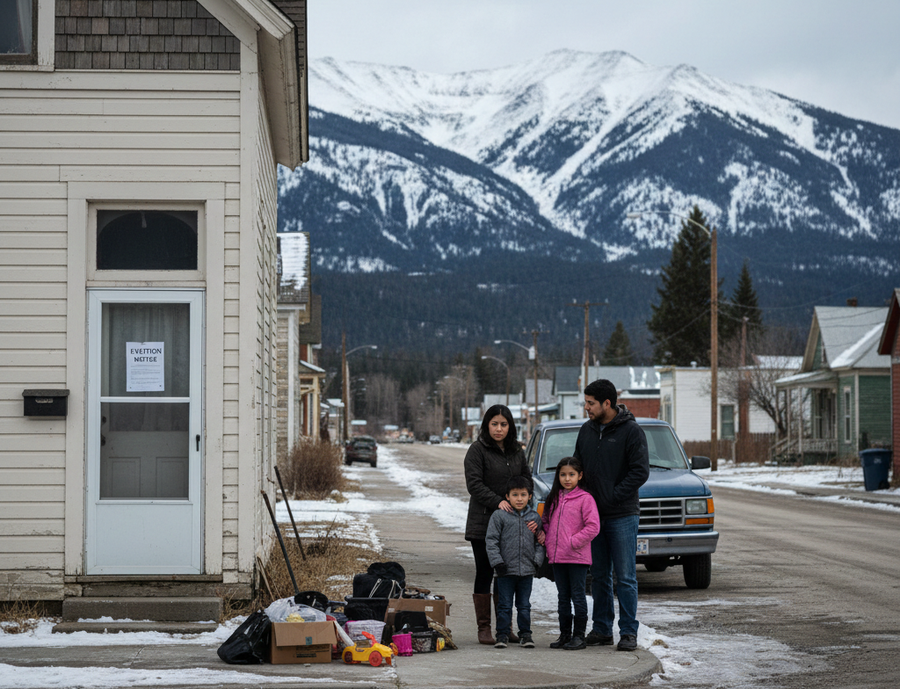
In the shadow of the majestic mountains of northern Idaho lies Shoshone County, a region steeped in mining history and rural charm. Yet beneath this picturesque surface, 2020 revealed a troubling reality for many residents: housing instability during an unprecedented global crisis. The formal eviction rate in Shoshone County during 2020 tells a complex story of economic vulnerability, pandemic disruption, and the unique challenges faced by rural communities when housing security is threatened.
While urban housing crises often dominate headlines, the Idaho Policy Institute’s comprehensive research on eviction rates across the state has illuminated how rural counties like Shoshone experienced the pandemic housing crisis differently. This analysis goes beyond mere statistics to understand the human impact of evictions in this unique corner of Idaho, examining how court closures, eviction moratoriums, and community responses shaped outcomes for vulnerable residents.
For policymakers, housing advocates, and concerned citizens alike, understanding Shoshone County’s formal eviction landscape provides crucial insights into rural housing stability and the effectiveness of emergency measures during times of crisis. The lessons learned from 2020 continue to inform how we approach housing security in rural America.
Understanding Formal Evictions: What the Data Measures
Before diving into Shoshone County’s specific experience, it’s essential to understand what formal eviction rates actually measure. The Idaho Policy Institute defines formal evictions as court-ordered removals of tenants from rental properties, representing the final stage of a legal process that begins with an eviction filing.
Formal eviction data captures only part of the housing instability picture. Many tenant displacements occur through informal channels—landlords pressuring tenants to leave without court involvement, tenants self-evicting when they receive notices, or households doubling up with family before legal proceedings begin. This “invisible” displacement is particularly common in tight-knit rural communities like those in Shoshone County, where formal legal processes may be viewed as a last resort.
The formal eviction rate specifically measures the percentage of renter households that experienced court-ordered evictions within a given time period. For Shoshone County in 2020, this metric provides a window into housing court activity, but must be interpreted alongside other contextual factors to understand the full scope of housing instability.
Shoshone County’s Housing Landscape: Setting the Context
Nestled in Idaho’s northern panhandle, Shoshone County’s housing market reflects its unique economic and geographic characteristics. With a population of approximately 12,800 spread across mining towns like Wallace and Kellogg, the county has historically maintained lower housing costs than Idaho’s urban centers. However, this affordability comes with challenges:
Limited rental inventory creates a tight market where even small disruptions can have outsized impacts. Many rental properties are older, sometimes with deferred maintenance issues that can create tensions between landlords and tenants. The county’s economic base, historically tied to resource extraction industries, means employment can be cyclical and vulnerable to downturns.
Before the pandemic, Shoshone County’s rental market was already showing signs of strain. Approximately 30% of the county’s households rent rather than own, with many spending more than the recommended 30% of income on housing costs. This pre-existing housing cost burden left many renters with limited financial cushion when the pandemic struck.
The Pandemic’s Impact: How 2020 Changed Everything
When COVID-19 reached Idaho in March 2020, it triggered an unprecedented series of events that dramatically affected housing stability nationwide. In Shoshone County, the pandemic’s impact on evictions unfolded in distinct phases throughout the year:
The initial shock (March-April 2020) saw widespread business closures and job losses, particularly in service industries. Court operations were suspended by Idaho Supreme Court order, temporarily halting eviction proceedings. This created an artificial suppression of formal eviction numbers during the early pandemic months.
As courts reopened in May 2020, Shoshone County experienced a concerning spike in eviction filings. This represented both new cases and a backlog of landlord actions delayed during court closures. The timing coincided with economic strain as unemployment benefits and stimulus payments began to run out for many households.
Federal intervention came through the CDC eviction moratorium, which provided protection for qualified tenants who submitted declarations of COVID-19 hardship. However, this protection was unevenly implemented and understood, with many vulnerable tenants unaware of their rights or unable to navigate the declaration process.
Throughout these phases, Shoshone County’s formal eviction rate reflected not just housing instability but also the procedural realities of how evictions were processed during an extraordinary year.
Analyzing the Numbers: Shoshone County’s Formal Eviction Rate in 2020
According to data from the Idaho Policy Institute, Shoshone County’s formal eviction rate in 2020 revealed several key insights:
While statewide eviction filings decreased by approximately 30% compared to 2019 (with 1,893 filings across Idaho), Shoshone County’s pattern differed from the state average. The county’s rural nature and smaller rental market meant that even a modest number of evictions represented a significant percentage of the renter population.
Monthly filing patterns in Shoshone County showed dramatic fluctuations corresponding to court availability and policy interventions. April 2020 saw almost no eviction activity during court closures, followed by concerning spikes as courts reopened in May and June. This pattern suggests that court closures delayed rather than prevented many evictions.
Compared to Idaho’s urban counties, Shoshone County’s formal eviction rate reflected its unique rural housing dynamics. While raw numbers were smaller than in population centers like Ada or Kootenai counties, the per-capita impact on the community was substantial.
The data reveals that approximately 60% of eviction filings statewide resulted in formal evictions, indicating that once the legal process began, most cases ended with tenant removal. This high conversion rate highlights the limited success of intervention once cases reached the court system.
Beyond the Numbers: Human Stories of Housing Insecurity
Statistics alone cannot capture the human experience of housing insecurity. In Shoshone County, each eviction filing represented a household in crisis. Consider these representative experiences from the community:
Maria, a single mother working in food service in Wallace, lost her income when restaurants closed in March 2020. Despite applying for unemployment benefits, processing delays meant she fell behind on rent. By the time courts reopened in May, her landlord filed for eviction despite the pending federal assistance that would eventually arrive.
An elderly couple on fixed incomes in Kellogg faced eviction when their adult son, who had been contributing to household expenses, lost his mining-adjacent job during pandemic cutbacks. Their landlord, also facing financial pressure, felt unable to wait for government assistance programs to provide relief.
A young family in Pinehurst found themselves caught in bureaucratic confusion about eviction protections. Though they qualified for the CDC moratorium, they were unaware of the requirement to submit a formal declaration to their landlord, leaving them vulnerable to legal proceedings.
These stories illustrate how eviction is rarely just about missed payments—it involves complex intersections of economic vulnerability, information access, and community support systems that were all strained during the pandemic.
Comparing Rural and Urban Experiences: Shoshone County in Context
Shoshone County’s eviction experience differed significantly from Idaho’s urban centers in several key ways:
While urban areas benefited from more robust social service infrastructure and emergency assistance programs, rural Shoshone County residents often faced greater challenges accessing help. Limited public transportation, digital connectivity issues, and fewer local service providers created barriers to assistance.
The informal nature of many rural rental agreements meant some tenants lacked formal leases or clear documentation of their housing arrangements, complicating their ability to access formal protections or assistance programs that required such documentation.
Community dynamics played a different role in rural settings. In some cases, closer landlord-tenant relationships in small communities led to more flexible, informal arrangements during hardship. In others, the lack of anonymity made tenants reluctant to assert their rights for fear of community repercussions.
Housing alternatives were more limited in rural Shoshone County than in urban areas. With fewer emergency shelters and transitional housing options, evicted households often faced more severe displacement consequences, sometimes needing to leave the community entirely.
Policy Responses and Their Effectiveness in Shoshone County
Multiple policy interventions attempted to address the eviction crisis during 2020, with varying effectiveness in Shoshone County:
The federal CARES Act eviction moratorium (March-July 2020) protected tenants in federally-backed housing, but its impact was limited in Shoshone County where many rentals are privately owned without federal financing. Many landlords and tenants were also unclear about whether their properties qualified for protection.
The CDC eviction moratorium (September 2020-extended into 2021) provided broader protection but required tenants to take affirmative steps by submitting declarations. In rural Shoshone County, limited legal aid resources meant many tenants lacked guidance on utilizing these protections.
Emergency rental assistance programs were established using federal funds, but early implementation challenges included complex application processes and documentation requirements that proved particularly burdensome for rural residents with limited internet access or transportation options.
Court procedures adapted throughout the year, with some hearings moving to virtual platforms. This created additional barriers for rural residents with limited technology access or digital literacy, potentially disadvantaging Shoshone County tenants in eviction proceedings.
The Role of Community Resources in Mitigating Evictions
Despite the challenges, Shoshone County’s community organizations mobilized to address housing insecurity:
Local nonprofit organizations pivoted to provide emergency rental assistance, though demand frequently exceeded available resources. Churches and community groups established informal support networks to help neighbors facing housing crises.
Legal aid services, though limited in rural areas, attempted to provide guidance on eviction protections through phone consultations and online resources. However, the digital divide remained a significant barrier for many vulnerable households.
Housing counseling services helped some residents negotiate with landlords or access government assistance programs, though these services were stretched thin across large geographic areas.
The Idaho Housing and Finance Association administered emergency rental assistance programs that eventually reached Shoshone County, though initial rollout was slower in rural areas due to awareness and access challenges.
Long-Term Implications for Shoshone County’s Housing Stability
The 2020 eviction crisis revealed systemic vulnerabilities in Shoshone County’s housing landscape that continue to have lasting effects:
Evictions create long-term consequences for affected households, including damaged credit, housing instability, and difficulty securing new rentals—particularly problematic in a market with limited rental options. Children’s education is disrupted, healthcare becomes inconsistent, and community ties are severed.
The pandemic accelerated housing market pressures as urban residents increasingly sought rural properties, potentially reducing affordable rental stock in communities like Shoshone County. This “Zoom town” effect has been observed across rural Idaho as remote work became more common.
Landlords, particularly small-scale property owners common in rural markets, faced their own financial pressures when rent payments were interrupted, potentially reducing future rental housing investment in the county.
The experience highlighted the need for more robust rural housing policy that addresses the unique challenges of communities like Shoshone County, including limited rental stock, aging housing, and fewer support services.
Lessons Learned: Improving Rural Housing Resilience
The 2020 eviction experience in Shoshone County offers valuable lessons for building more resilient housing systems in rural communities:
Early intervention is critical. By the time eviction cases reach court, options are limited. Programs that provide assistance at the first sign of housing instability are more effective than waiting for formal eviction processes to begin.
Rural-specific approaches are necessary. Policies designed primarily for urban housing markets often fail to address the unique characteristics of rural communities like Shoshone County, including informal rental arrangements and limited service infrastructure.
Technology access is an equity issue. As assistance programs and court processes increasingly moved online, the digital divide became a significant barrier for rural residents seeking to preserve their housing stability.
Data collection improvements are needed. The Idaho Policy Institute’s work highlighted the importance of county-level eviction tracking, but gaps remain in understanding informal evictions and housing insecurity that doesn’t result in court filings.
Moving Forward: Strengthening Housing Security in Shoshone County
As Shoshone County continues to recover from the pandemic’s housing impacts, several approaches show promise for strengthening future housing stability:
Expanding affordable housing options through targeted development incentives could address the underlying shortage of quality rental units in the county. Programs specifically designed for rural markets could encourage property improvements and new construction.
Strengthening eviction prevention programs that intervene before court proceedings begin would be particularly effective in rural communities where social connections are strong but formal legal resources are limited.
Improving rural service delivery through mobile outreach, simplified application processes, and coordinated entry systems could help vulnerable households access assistance before reaching crisis points.
Building landlord-tenant mediation programs specifically designed for rural communities could leverage existing community connections to resolve disputes before they escalate to formal eviction.
The Path to Housing Stability: A Community Approach
The formal eviction rate in Shoshone County during 2020 tells a story not just of housing challenges but of community resilience in the face of unprecedented disruption. While the pandemic exposed vulnerabilities in rural housing systems, it also demonstrated the power of coordinated responses when communities, policymakers, and service providers work together.
Moving forward, addressing housing stability in Shoshone County requires approaches that recognize the unique character of rural communities while ensuring all residents have access to the resources and protections needed to maintain stable housing. By learning from the experiences of 2020, Shoshone County has the opportunity to build a more resilient housing landscape that supports economic recovery and community wellbeing for years to come.
The lessons from Shoshone County’s eviction experience extend beyond its borders, offering insights for rural communities nationwide grappling with housing insecurity in an increasingly uncertain world. Through continued research, targeted policy development, and community engagement, the path toward greater housing stability becomes clearer—even in the most challenging times.
FAQs About Shoshone County’s 2020 Formal Eviction Rate
What exactly does the formal eviction rate measure in Shoshone County?
The formal eviction rate measures the percentage of renter households that received court-ordered evictions. In Idaho, this data is collected through court records and analyzed by the Idaho Policy Institute. The formal rate doesn’t capture informal evictions or cases where tenants leave before court proceedings.
How did the COVID-19 pandemic affect eviction proceedings in Shoshone County?
The pandemic created a roller-coaster effect on evictions in Shoshone County. Court closures in spring 2020 temporarily halted proceedings, followed by a spike when courts reopened. Federal moratoriums provided protection for some tenants, but implementation was uneven, especially in rural areas with limited legal resources.
Were eviction rates in Shoshone County higher or lower than other Idaho counties in 2020?
While Shoshone County had fewer total evictions than urban counties due to its smaller population, the per-capita impact was significant. Rural counties like Shoshone often experienced different patterns than the state average, with unique challenges in accessing assistance programs and legal support.
What assistance was available to prevent evictions in Shoshone County during 2020?
Assistance included federal stimulus payments, enhanced unemployment benefits, emergency rental assistance programs, and eviction moratoriums. However, rural residents often faced barriers accessing these programs, including digital divide issues, transportation limitations, and complex application processes.
How did the formal eviction process impact Shoshone County residents beyond housing loss?
Evictions created cascading effects including school disruptions for children, employment challenges, mental health impacts, and community disconnection. In rural areas with limited housing alternatives, evicted households sometimes had to leave the community entirely, disrupting support networks and employment.
What lessons from Shoshone County’s 2020 eviction experience can help improve housing stability in rural communities?
Key lessons include the importance of early intervention before court proceedings begin, the need for rural-specific program design, the critical role of technology access in service delivery, and the value of community-based approaches that leverage existing relationships in small communities.
| Read More Informative Blogs Like This. Tap Here 👉 The Three Week Rule Explained |