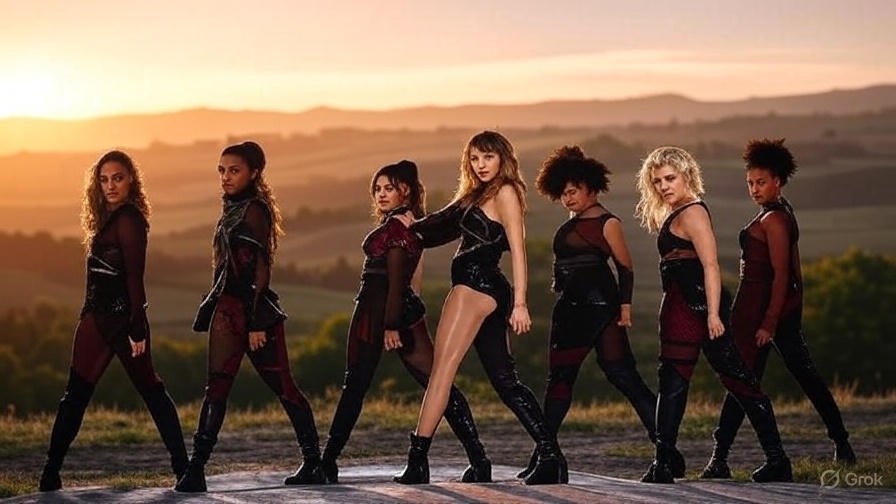
taylor swift demonic
Introduction
People ask, “is taylor swift demonic?” This question pops up online a lot. I will explain calmly. I look at shows, videos, outfits, lyrics, and symbols. I use simple words so everyone can follow. I aim for facts and honest views. I will show why some fans worry. I will show why others disagree. I share one clear idea: most claims need proof. I also say how to spot real evidence. I write from looking at public performances and reports. I am not accusing anyone. I want readers to think and feel safe asking questions.
What people mean when they say “taylor swift demonic”
When people say “taylor swift demonic”, they mean Swift uses spooky or dark imagery. Sometimes fans see horns, shadows, or dramatic lighting. Other times they point to costume shapes or staging. Many claims come from photos or short clips. People often read symbols into art. Music shows often use strong visuals to tell a story. That can look strange if you do not expect it. I explain how stage art works. I also note how rumors spread fast online. Seeing a symbol does not prove intent. It helps to look for reliable context.
How concerts and stage design add to the rumor
A big reason people ask “taylor swift demonic” is concert visuals. Modern shows use fire, mirrors, and darkness. These effects make strong scenes. Directors plan this to match song emotion. A dark stage can mean drama, not evil. Bands and artists use shock for art. Fans photograph moments out of context. A single frame can look eerie by itself. I remind readers songs have themes like heartbreak. Directors use imagery to match those themes. This explains how a lighting choice can create a rumor.
Costumes and outfits that spark talk
Costumes cause much talk about “taylor swift demonic.” Designers make bold looks for key songs. A black dress or pointed silhouette can look “demonic” in a photo. But fashion often borrows from history and film. Dark colors do not equal dark beliefs. Stage clothes aim to be visible from far away. They also help tell story. When fans see an outfit in a short clip, they may jump to a conclusion. It helps to see the whole costume and performance. Context changes how an outfit reads.
Lyrics and song themes people point to
Some ask whether “taylor swift demonic” because of lyrics. Taylor writes about love, loss, anger, and power. These topics sometimes use dramatic words. A line about “losing light” can seem spooky. But writers use metaphor to show emotion. Metaphors are not literal claims. The same words might appear in poetry. Swift’s songwriting often plays with strong images. That is normal in pop and country music. It is important to read lines in full. A single phrase is rarely proof of a belief.
Hand gestures and how they are interpreted
Hand gestures at shows often fuel “taylor swift demonic” claims. People freeze a frame and name it a sign. But gestures can be choreography, pointing, or emotion. Dancers and singers use hands to show feelings. Some fans misread a quick motion as a symbol. Also, cameras can blur movement into odd shapes. If you watch the full clip, gestures usually make clear sense. It is better to see the whole scene. That reduces misunderstandings.
How imagery in music videos gets misread
Music videos are full of images meant to tell a story. That can create “taylor swift demonic” talk. Directors use fast cuts and strange props. They may show masks, shadows, or eerie sets. Those are tools to create mood. They are not necessarily literal messages. A director might borrow from film horror for a scene. This is art and homage, not an endorsement of evil. Critics and fans will debate meaning. The safest approach is to look for confirmed statements from the artist or team.
Why rumors spread quickly online
The internet makes “taylor swift demonic” claims grow fast. A photo or short clip can go viral in minutes. People on social apps add words to get clicks. Algorithms reward strong claims. That fuels more shares. Many people then accept the claim without checking. I suggest asking: who posted it first? Is there context? Look for full videos. Check official accounts. Reliable sources help stop false rumors. Sharing slowly and checking facts helps everyone.
Difference between spooky art and serious claims
It helps to know the difference between spooky art and real danger. Spooky art aims to shock or to tell a story. Real claims would need consistent proof. Proof means repeated messages, public statements, or actions that match the claim. Spotting a staged image is not proof. I encourage readers to be calm and curious. Ask for context. See if the artist talked about the image. Most pop art uses theater and drama.
How fan culture fuels interpretation
Fans love to interpret every detail. Fan culture can make small things big. This leads to more “taylor swift demonic” posts. Fans create theories, videos, and posts to explain moments. This can be fun. It can also spread harm. When a theory repeats, people start to believe it. I recommend balanced fan talk. Share ideas but also share sources. Remember to be kind to others with different views.
| Read More Informative Blogs Like These: Don Toliver: Biography |
How to check claims and find facts
If you wonder “is taylor swift demonic”, check facts. Start with official sources. Look for full videos or interviews. Read trusted news outlets. Check the artist’s official accounts. Avoid posts with no sources. Watch full performances, not just clips. Check multiple sources before believing. Also look for explanations by directors or designers. If none exist, treat the claim as unproven. Teaching kids how to check claims helps them stay safe online.
Real examples that show context matters
I will share a clear example of how context helps. A dark image from a show once circulated fast. Many called it “taylor swift demonic”. After the full video came out, fans saw it was an illusion. Lighting and angle made a shadow look like horns. The team explained the stage effect. This showed how a single photo can lie. I have seen similar cases in other artists. This example shows why careful viewing matters. It also shows that quick claims can be wrong.
Why making accusations can harm people
Calling someone “demonic” hurts reputations. It can harm artists and fans. False claims can affect mental health. They can make fans feel unsafe. They can lead to harassment online. I urge caution before repeating such claims. If you are unsure, say so. Ask questions gently. Let official responses arrive. Being careful helps keep online talk healthy.
Personal take — why I stay skeptical and kind
I care about truth and people. When I see “taylor swift demonic” posts, I stay skeptical. I check videos and official accounts. I also talk kindly to people who worry. Most art seeks emotion, not harm. I find it better to ask questions than to blame. When we discuss public figures, we should aim for fairness. That helps us find real answers and avoid unnecessary pain.
How parents can talk to kids about scary claims
If a child asks, “is taylor swift demonic?”, keep calm. Explain that pictures can be tricky. Teach them to ask where the image came from. Show them full videos. Teach them not to share scary posts without checking. Encourage questions and keep talk simple. Help them notice feelings they have about images. Guide them to safe sources. This builds media skill and reduces fear.
FAQs
FAQ 1: Is Taylor Swift actually demonic?
No, there is no reliable proof that Taylor Swift is demonic. Many posts show single images or clips. Those items lack context. Most visuals in music are artistic. They aim to tell a story or create mood. Always check official sources. Without clear evidence, the claim stays unproven.
FAQ 2: Why do people say “taylor swift demonic concert”?
People name concerts when they see dark or dramatic staging. Lighting, costumes, and props can look eerie in photos. Fans may label those images to gain attention. Directors often use drama to match songs. That does not prove anything about beliefs.
FAQ 3: Are certain outfits proof of anything?
No. A “taylor swift demonic outfit” claim usually comes from one photo. Costume design borrows many styles. A pointed hat or dark dress can look odd on camera. Yet most designers aim for storytelling and visibility on stage.
FAQ 4: Do any lyrics show real demonic themes?
Most lyrics are about feelings. Lines may use night, fire, or shadow. These are metaphors. “taylor swift demonic lyrics” claims often pick phrases out of context. Read full songs to see the real meaning.
FAQ 5: How to tell if a gesture is meaningful?
A gesture can be dance or a moment of feeling. “taylor swift demonic hand gestures” claims usually freeze one frame. Watch the full performance. Often the motion is part of choreography. Seek official explanation if needed.
FAQ 6: What if I still feel worried?
If images disturb you, step back. Seek fuller videos and trusted sources. Talk to friends or family about what you saw. Remember that art can be dramatic without meaning harm. If online posts push fear, report misinformation when needed.
Conclusion
The simple answer to “is taylor swift demonic” is this: there is no solid proof. Many moments that spark the claim are stage art, fashion, or editing. Rumors grow fast online from single photos. I hope this article helps readers check facts. Look for full videos, official statements, and reliable sources. Ask calm questions and be kind. If you care, share this guide with friends. That helps slow false claims. Stay curious, stay kind, and remember art often asks us to feel, not to believe alarming stories.