
Student Mental Health and Wellbeing
Introduction
Student Mental Health and welbing matter for every school and family. Good mental health helps kids learn and feel safe. This guide explains problems and gives simple tips. I write in plain words anyone can follow. You will learn signs, causes, and steps to find help. I cover school programs, college stats, and digital tools. I add real examples and easy actions teachers and parents can use. The aim is useful, trustworthy, and kind. Use this guide as a starting point. If you need urgent help, contact local health services right away. This article keeps advice general and encourages professional care when needed.
What is student mental health and wellbing?
Student Mental Health and welbing means the emotional and social health of learners. It includes mood, thinking, stress levels, and relationships. Young people with good wellbeing can learn, make friends, and solve problems. When wellbeing is low, school work and social life suffer. Schools and families share the job of supporting young people. Mental health is not only about illness. It also covers everyday coping skills and resilience. Teaching small skills helps students in the long run. Clear routines, safe spaces, and kind relationships build wellbeing. Early attention prevents small issues from growing into big ones.
Why student mental health and welbing matters in school
Student Mental Health and welbing affects learning and behavior every day. When students feel safe, they join class and try new skills. Poor wellbeing can lower grades and attendance. It can also cause fights or withdrawal from friends. Teachers notice changes in focus, sleep, and mood. Schools with strong mental health support see calmer classrooms. Good wellbeing reduces bullying and helps everyone learn. Investing in wellbeing saves time and resources later. Small actions like listening, routine checks, and supportive policies make a big difference. A healthy learning space helps students prepare for life beyond school.
Common signs students need help
Student Mental Health and welbing shows in subtle ways. Look for changes in sleep, appetite, or energy. Notice sudden drop in grades or interest in activities. Watch for frequent absences or isolation from friends. Some students act out or show anger without reason. Others seem tired or forgetful often. Teachers, parents, and peers can spot these clues early. A kind question can open the door to help. Keep checks simple and private. Ask with care, not judgment. Early attention leads to better support and prevents problems from growing worse.
Causes of stress in students

Student Mental Health and welbing can be harmed by many stress sources. School pressure, heavy homework, tests, and deadlines are common causes. Family problems and changes at home add to stress. Bullying and social pressure can hurt confidence. Big events like moving or losing someone create lasting stress. Lack of sleep, poor nutrition, and too much screen time also affect mood. Even good things like new opportunities can create stress. Understanding the root causes helps adults choose the right support. Reducing workload, improving routines, and safe conversations ease pressure.
Student anxiety and depression — what to watch for
Student Mental Health and welbing can include anxiety and depression. Anxiety may look like constant worry or panic about schoolwork. Depression often shows as lasting sadness, low energy, or loss of interest. Both can affect sleep and concentration. Students may say they feel empty or hopeless. Others hide symptoms behind jokes or silence. These problems are common and treatable. Early help from counselors or physicians matters. Therapies and supports can reduce symptoms and restore function. If a student talks about self-harm or suicide, seek emergency help immediately. Safety is the first priority.
How to improve student wellbeing at home
Student Mental Health and welbing improves with small, steady habits at home. Keep regular sleep schedules and balanced meals. Limit late-night screen use and encourage physical play. Listen without rushing to fix things. Show interest in school and friends. Offer praise for effort, not only for outcomes. Teach simple breathing or grounding exercises for stress. Create a calm corner where a child can rest or read. Model healthy habits as adults. If worry persists, seek help from school counselors or family doctors. Building trust at home helps students share problems earlier.
How schools can promote student wellbeing
Student Mental Health and welbing grows when schools lead with kindness. Schools can offer social-emotional lessons and quiet spaces. Train staff to spot mental health signs and refer students. Keep clear policies for bullying and crisis response. Create club activities that build belonging and skills. Offer regular check-ins with counselors for at-risk students. Communicate openly with families and caregivers. Partner with local health services for workshops and screenings. Small changes like flexible deadlines or check-in notes can ease student stress. Schools are community hubs and can shape long-term student resilience.
School mental health programs — models that work
Student Mental Health and welbing improves with proven programs in schools. Programs that teach emotions, peer skills, and coping strategies show good results. Multi-tiered systems offer universal lessons, targeted groups, and individualized care. Examples include classroom lessons, counseling groups, and referral pathways. Training for teachers in mental health literacy helps them respond early. Parent workshops extend learning at home. Programs that measure progress help schools refine support. Effective models combine prevention and early intervention. With clear roles and data, schools can support more students better.
College student mental health statistics — trends to know
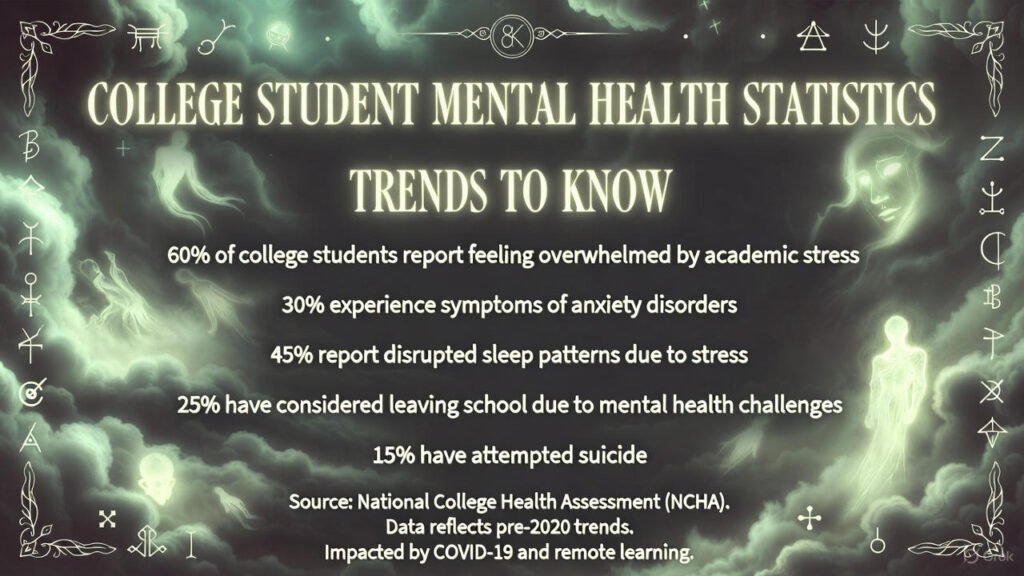
Student Mental Health and welbing in college has risen as a concern. Many surveys show higher rates of anxiety and depression among students. Academic pressure, financial worries, and life changes contribute. Sleep disruption and substance use also affect wellbeing. Counseling centers often report high demand and waitlists. Some colleges expand telehealth and peer support to meet needs. Tracking local statistics helps schools plan services. Despite challenges, many students find help and recover with proper support. Knowing the numbers helps colleges target resources where they are most needed.
Mental health support for students — who can help
Student Mental Health and welbing improves when many people work together. School counselors, psychologists, and nurses provide direct support. Teachers and coaches can spot early signs. Parents and caregivers offer daily care and monitoring. Peer support groups can reduce isolation. Local health clinics and therapists extend services beyond school. Hotlines and crisis teams help in emergencies. It is important to know where to go in your area. Building a team around a student creates safety and consistent care. Clear referral systems make it easier to get help quickly when issues arise.
Mental health resources for students — tools and tips
Student Mental Health and welbing benefits from accessible tools and resources. Look for kid-friendly apps that teach breathing and mood tracking. School libraries can offer mental health books and materials. Community centers and local NGOs often run workshops or groups. Online platforms provide guided exercises and educational videos. Check for services in your town that offer low-cost counseling. Create a resource list for families and students with contacts and links. Teach students how to use trusted resources and when to ask an adult for help. A clear toolbox reduces confusion in times of need.
How to manage stress as a student — practical strategies
Student Mental Health and welbing improves with daily habits to manage stress. Break big tasks into small steps and use checklists. Practice short breathing breaks during study sessions. Use a planner to schedule time for study, rest, and play. Stay active with short walks or sports to clear the mind. Sleep is key; keep regular bedtimes. Share worries with trusted friends or adults. Use relaxation apps or simple grounding exercises when feeling overwhelmed. Celebrate small wins to build confidence. These strategies help students feel more in control and reduce panic before tests.
Student wellbeing tips for different ages
Student Mental Health and welbing needs age-appropriate approaches. Younger children need routine, play, and clear emotional words. Middle schoolers benefit from peer groups and safe chances to talk. Teenagers need privacy, guidance, and skill-building for independence. College students need help with time management, mental health services, and social support. Adjust language and tools for each age. Use short, simple lessons for younger kids and deeper discussions for older students. School staff and parents should coordinate to support each stage. Tailored approaches meet real needs better than one-size-fits-all plans.
Building peer support and kindness culture
Student Mental Health and welbing grows when peers support each other. Teach students how to listen and offer gentle help. Peer mentoring programs pair older students with younger ones. Class circles can let students share feelings in a safe way. Recognize acts of kindness and reward compassion. Train students on how to report concerns to adults. A culture of kindness lowers bullying and isolation. Encourage inclusive activities that bring different groups together. Peer-led projects often boost belonging and reduce stigma about mental health.
Digital safety and wellbeing for students
Student Mental Health and welbing is linked to digital habits. Too much screen time and social media can increase stress and comparison. Teach healthy online habits and set clear limits. Encourage breaks from screens and mindful social media use. Use parental controls where appropriate and talk openly about online risks. Promote online resources that teach mental skills. Digital tools can be helpful when used right. Balance and education help students use technology without harming their mental health.
Working with families to support students
Student Mental Health and welbing improves when schools and families partner closely. Share simple updates and tips with parents about signs to watch for. Offer family workshops that teach stress skills and communication. Keep conversations respectful and solution-focused. Provide clear referral options when professional help is needed. Family routines and school supports together create stability. When parents feel informed, they can better support emotional needs at home. Strong school-family links make students feel safer and more supported.
Measuring success — how to know supports are working
Student Mental Health and welbing programs need clear measures to show impact. Schools can track attendance, referrals, and behavioral incidents. Student self-report surveys show changes in mood and belonging. Teacher feedback and parent surveys add more insight. Monitor wait times for counseling and use that data to expand services. Small tests allow schools to try ideas and refine them. Data helps direct resources where they matter most. Celebrate gains and adjust what does not work. Measuring progress keeps programs effective and accountable.
Conclusion — Take small steps today
Student Mental Health and welbing improves with steady, small actions by families and schools. Start with listening and noticing changes in students. Add one new habit this week, like a five-minute breathing break. Share helpful resources with students and caregivers. Build simple supports, such as quiet spaces or peer groups. Track how things change and keep learning. If problems are serious, seek professional help and emergency services when needed. Together, adults and students can create safer and kinder learning spaces. Small steps add up to lasting resilience and wellbeing.
Frequently Asked Questions (FAQs)
1 — What is a simple sign that a student needs support?
A simple sign is a sudden change in behavior or grades. Other signs include changes in sleep or appetite. Withdrawn or irritable behavior can also signal need. Ask gentle questions and listen. If you see persistent changes, reach out to a counselor or caregiver. Early help is the best way to prevent a problem from growing.
2 — How can teachers help without stepping out of class?
Teachers can use brief check-ins and structured routines. Offer a short calming activity when needed. Use a private note or quick timeout for students to reset. Refer students to counselors when needed. Keep communication with parents clear but brief. Small acts of understanding help students stay engaged.
3 — Are school mental health programs expensive to start?
No. Many helpful supports are low cost. Quiet corners, peer groups, and short lessons can begin for little money. Training staff may have some cost, but local agencies often offer free workshops. Start small and grow programs as data shows success. Low-cost steps still have strong impact.
4 — How do I talk to a teen who refuses help?
Stay calm and patient. Use open-ended questions and show you care. Avoid lectures and make space for privacy. Offer options and small steps, like visiting a counselor together. Share examples of others who got help and felt better. If safety is a concern, seek professional advice immediately.
5 — What resources help with student stress right away?
Short breathing exercises, guided grounding apps, and activity breaks help quickly. Encourage movement, such as a brisk walk. Use snack and hydration breaks to restore focus. If stress persists, contact school counseling for follow-up. Simple tools often ease urgency until more support arrives.
6 — Where can parents find more help locally?
Check your child’s school for counseling services and referrals. Local health clinics, community centers, and nonprofit groups often offer support. Many universities have community mental health services. If in crisis, use emergency hotlines or go to the nearest emergency room. Schools can often guide families to trusted local resources.
| Read More Informative Blogs Like This. tap Here 👉 Best Instagram Bio Ideas for Girls |