fern
Introduction
A fern feels like a little piece of forest you can keep at home. Its soft fronds look calm, fresh, and full of life. People love a fern because it adds green beauty without loud colors. It can sit in a bathroom, hang on a porch, or fill a shady corner outside. You don’t need fancy gear to enjoy one. You just need steady habits and a bit of patience.
This guide keeps things simple. You’ll learn what a fern plant likes, what makes it unhappy, and how to pick the right type for your space. You’ll also see popular names like boston fern, maidenhair fern, and bird’s nest fern. Plus, we’ll touch the fun side too, like Where the Red Fern Grows and FernGully: The Last Rainforest, because “fern” pops up in culture in surprising ways.
What a fern is, in kid-simple words
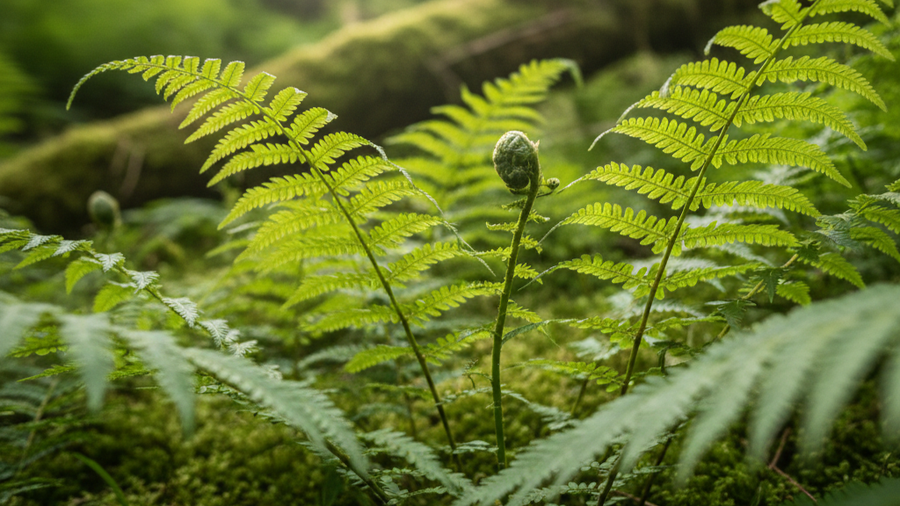
A fern is a plant that grows fronds instead of flowers. Fronds are those leafy “feather” shapes you see in pictures. Many ferns also spread with spores. Spores are tiny “dust-like” bits that can grow into new plants. It sounds strange, but it’s normal for ferns. This is why they feel ancient and magical.
A fern plant usually likes shade, gentle light, and moist soil. Think “forest floor.” If your home feels dry, the leaves can crisp up. If the pot stays soggy, the roots can rot. The sweet spot is damp, not drenched. A good routine beats a fancy routine. Check the top soil with a finger. If it feels dry, water slowly. If it feels wet, wait.
Many types also enjoy airflow. Still air can invite fungus and bugs. A little air movement helps a lot. A healthy fern looks full, springy, and evenly green.
Fern Biography Table
| Name | What it is | Best place | Simple care tip | Why it’s known |
|---|---|---|---|---|
| boston fern | classic house fern | bright shade indoors | keep soil lightly moist | big, fluffy fronds |
| maidenhair fern | delicate indoor fern | humid room | mist often, avoid dry air | fine, lace-like fronds |
| bird’s nest fern | bold leaf rosette | medium light | water around edges | shiny “nest” shape |
| staghorn fern | mounted fern | wall mount, bright shade | soak mount, let drip dry | antler-like fronds |
| sword fern | tough outdoor fern | shade garden | mulch keeps roots cool | hardy landscape choice |
| ostrich fern | outdoor fern | cool shade | steady moisture | makes edible fiddleheads |
| java fern | aquarium plant | fish tank | tie to driftwood or rock | easy aquatic plant |
| asparagus fern | fern-like plant | bright indoor light | don’t overwater | looks like fern |
Boston fern: the classic “full and fluffy” choice
The boston fern is the one many people picture first. It has long fronds that arch and spill over a pot like a green fountain. It looks expensive even when it’s not. That’s why it’s great for beginners who still want a bold look.
Give it bright, indirect light. Direct sun can scorch the fronds. Keep the soil lightly moist. If it dries out too much, the tips turn brown. If you water too often, it can get soggy roots. A simple rhythm works: water when the top inch feels dry. Use a pot with drainage holes. That alone prevents many problems.
Humidity is a bonus. Bathrooms with a window can be perfect. If your air is dry, place the pot on a tray with pebbles and water. The plant sits on pebbles, not in water. This keeps the air around it moist without drowning the roots.
Maidenhair fern: gorgeous, but it wants steady care
A maidenhair fern is delicate and elegant. Its thin stems and tiny leaf fans look like green lace. It’s a showpiece plant. It also has a reputation for being picky. The truth is simple: it hates drying out.
This plant wants even moisture. Not swampy, not dry. If you forget it for a few days in a dry room, it may drop leaves fast. Keep it near a humidifier, or group it with other plants to raise humidity. A spot with soft morning light works well. Harsh sun can burn it.
Water slowly until it drains. Then empty the tray. Don’t let it sit in water. If your tap water is hard, filtered water can help keep fronds cleaner. When it’s happy, it grows fresh fronds often. When it’s stressed, it looks thin and sparse. If you want a plant that teaches you routine, a maidenhair fern will do that quickly.
Bird’s nest fern: bold leaves, easy style
The bird’s nest fern looks different from the feathery ones. Its leaves are wide, glossy, and form a neat rosette. It has a tropical vibe and a clean shape. It’s also easier than many people expect.
It likes medium to bright shade. Think “near a window, but not in direct sun.” It enjoys humidity, but it can handle normal indoor air better than a maidenhair. Keep the soil lightly moist. Water around the edge of the pot. Try not to pour water into the center “nest.” Water sitting there can lead to rot.
Wipe leaves with a damp cloth to remove dust. Clean leaves help the plant breathe and photosynthesize. If the edges crisp up, the air is too dry or the soil went too dry. If the base feels mushy, it stayed wet too long. In the right spot, this plant looks polished year-round and gives you a strong, green focal point without drama.
Staghorn fern: the wall art plant that turns heads
A staghorn fern is a conversation starter. It grows two types of fronds: flat shield fronds and antler-like fronds. Many people mount it on a board or hang it like living wall art. It feels wild and modern in a cool way, but the care is still simple once you learn the pattern.
Instead of watering like a normal pot, many owners soak the base. You can lift the mount and soak it in water for 10–20 minutes, then let it drip dry. Frequency depends on heat and air. When it feels light and dry, it needs water. When it feels heavy, wait.
Bright shade works best. Direct sun can burn it. Low light can slow growth. Good airflow matters too. If you mount it in a tight corner with no air movement, it can get moldy. If you want a plant that looks like a piece of design, this one is hard to beat.
Sword fern: tough, outdoorsy, and reliable
The sword fern is a strong option for gardens and landscapes. It handles shade well and gives you that lush, woodland look. Its fronds are firm and upright. It can fill space without needing constant attention.
Plant it in shade or dappled light. In full sun, it struggles. Keep the soil evenly moist during the first months. After it settles, it can handle short dry spells better than delicate indoor types. Still, it looks best with steady moisture and a layer of mulch. Mulch keeps roots cool and helps soil hold water.
This plant is a great pick for shady borders, under trees, or along a fence line. It pairs well with hostas and other shade plants. Trim dead fronds at the base to keep it tidy. If you want a “set it and enjoy it” outdoor option, the sword fern fits that role well.
Ostrich fern and fiddleheads: the spring growth people eat
The ostrich fern is famous for producing edible young shoots called fiddleheads. A fiddlehead fern is not a separate plant type in the way most people think. “Fiddlehead” is the early curled frond stage. People harvest those tight curls in spring before they open.
If you grow ostrich fern, keep it in cool shade with rich soil. It likes moisture. Dry heat makes it unhappy. Give it compost and mulch to mimic forest ground. It spreads over time, so plan space.
If you buy fiddleheads to eat, cook them well. Rinse, trim, and boil or steam, then sauté if you like. Avoid eating them raw. The taste is mild and green, a bit like asparagus. People love them with butter, garlic, and salt. This is one of the rare moments where a plant word becomes both garden talk and food talk in the same breath.
Asparagus fern and foxtail fern: “fern” look, different plant family
The asparagus fern and foxtail fern look like ferns, but they are not true ferns. They belong to a different group of plants. People still call them ferns because the soft, feathery look matches what we expect from a fern.
Asparagus fern grows as a houseplant with arching stems and tiny needle-like leaves. It likes bright light and moderate watering. Let the top soil dry slightly between waterings. It can drop “needles” if stressed, so keep it steady. It can also have tiny thorns on stems, so handle with care.
Foxtail fern is often grown outdoors in warm climates. It forms upright “tails” that look fluffy. It likes sun to partial shade. Water when the top soil dries. It’s tougher than it looks and can handle patio life well. If you want the fern vibe with less fuss, these two can be good options.
Java fern: the easy aquarium plant
The java fern is popular in fish tanks because it’s easy and forgiving. It doesn’t need fancy CO₂ systems. It also doesn’t need planted soil the same way other aquatic plants do. In fact, burying its rhizome can cause rot.
A better method is tying it to driftwood or a box. The roots will grip over time. It grows slowly, but it stays green and steady. Low to medium tank light works. Strong light can invite algae, so balance matters. Many fish also ignore it, which helps.
You may see little plantlets grow on older leaves. Those can be removed and attached elsewhere. If your goal is a calm, natural aquarium look, java fern helps create that jungle feel without constant trimming. It’s also a great “starter” plant for new tank owners.
Shade, water, and soil: the simple fern care checklist
Most fern problems come from two things: wrong light or wrong watering. Many ferns want bright shade, not full sun. If fronds fade, the light might be too strong. If growth is slow and thin, it might be too dark.
Watering should feel boring and steady. Check soil with a finger. Water when the top layer starts to dry. Always use drainage holes. A pot with no drainage can trap water and rot roots fast. Use a loose potting mix that holds moisture but still breathes. A mix with peat or coco coir plus perlite works well for many indoor types.
Humidity can be a secret weapon. Bathrooms, kitchens, and grouped plants create a softer air. If frond tips brown, air may be dry or water may be uneven. Trim brown tips to keep it neat. With steady care, a fern becomes the kind of plant that rewards you quietly every week.
Pests and common problems: what to watch for
A fern can attract pests when it’s stressed. The usual suspects are spider mites, scale, and mealybugs. Spider mites love dry air. You might see tiny webbing and speckled leaves. A simple fix is a shower rinse and better humidity. Scale and mealybugs look like small bumps or cottony spots. Wipe them off with a damp cloth and repeat until they stop coming back.
Yellow fronds often point to soggy soil or low light. Crispy tips often point to dry air or missed watering. A musty smell means the soil stayed wet too long. In that case, reduce watering and check drainage. If the roots are dark and mushy, repot into fresh mix.
Don’t panic when a few old fronds die. Plants shed older growth. Focus on new fronds. If new growth looks healthy and green, you’re doing fine. A calm routine beats quick fixes every time.
The word “fern” in books, films, and famous names
“Fern” is not only a plant word. It also shows up in titles and names, which is why people search it in many ways. Where the Red Fern Grows is a well-known story title that many people read in school. The plant in the title becomes a symbol in the story, which gives the word an emotional weight for readers.
Then there’s FernGully: The Last Rainforest, a bright animated film with a rainforest theme. People remember it for its visuals and message. The word also appears in celebrity names and character names. Cody Fern is a real person, and the surname makes the keyword show up in entertainment searches. Fern Brady and Fern Sutherland also push the keyword into pop culture.
You might even see fans searching “frieren fern,” tied to Frieren: Beyond Journey’s End. Same word, totally different intent.
Picking the right fern for your home or yard
Choosing the right plant saves you stress. If you want an easy indoor start, try a boston fern or bird’s nest fern. They’re more forgiving. If you love delicate beauty and you can keep humidity steady, maidenhair fern can be worth it. If you want a statement piece, staghorn fern turns a wall into living decor.
For outdoors, sword fern is reliable in shade. Ostrich fern is great in cool, moist spots and gives you that spring fiddlehead bonus. If you want fern-like texture with different care needs, foxtail fern and asparagus fern can work well in brighter spaces.
Before you buy, ask two questions. How much light do I truly have? How often will I water? If the answer is “not much light” and “I forget sometimes,” pick a tougher option. If the answer is “I’m home a lot” and “I enjoy plant routines,” you can go with the more sensitive picks. The right match makes plant care feel fun, not stressful.