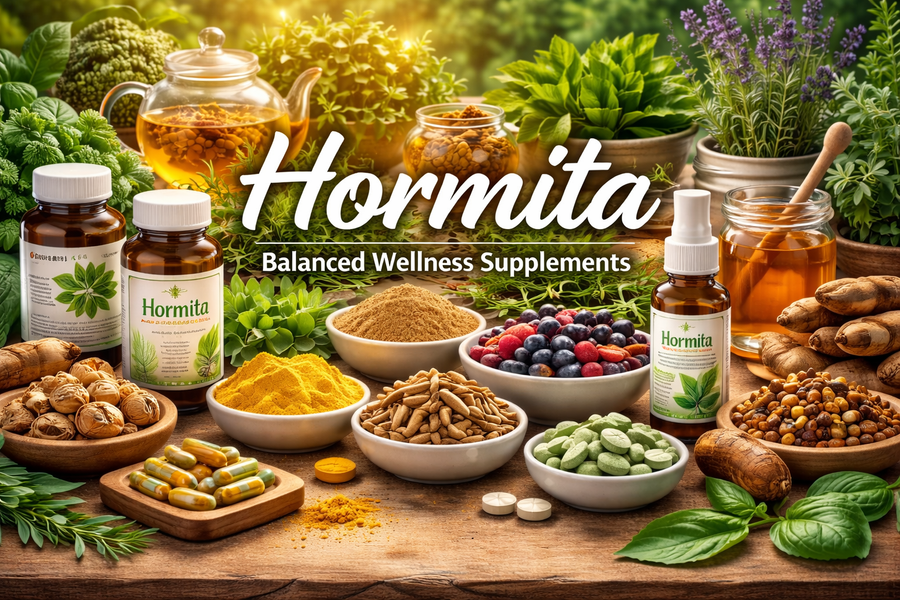
Hormita Explained: Uses, Safety, Benefits, and Buyer Checklist
Hormita: A Simple, Deep Guide for USA Readers
If you’ve been seeing hormita online, you’re not alone. The word shows up in wellness posts, product pages, and “daily balance” conversations. People often connect hormita with steady energy, calmer moods, and better routine support. The problem is that the term is used in different ways, and that can confuse anyone. Some people use hormita as a supplement name, while others use it as a wellness idea about balance and resilience. This guide keeps it clear. You’ll learn what hormita usually refers to, what benefits are realistic, and what safety steps matter most for Americans. I’ll also share a practical example, a detailed table, and a checklist you can follow in minutes. My goal is simple: help you feel informed and confident, without hype or fear.
What Hormita Usually Means
Most of the time, hormita is used as a label for a wellness product or a wellness “concept.” When it’s a product, it’s usually described as something that supports daily balance, stress management, or hormone-friendly habits. When it’s a concept, hormita is talked about as a way to build strength through small, healthy routines. In both cases, the core theme is the same: steady improvement instead of fast fixes. That’s a strong idea, because real wellness often comes from repeatable habits. Still, you should know this: “hormita” is not a single medical definition. That means the details can change from brand to brand and from article to article. For USA readers, the best move is to treat hormita as a starting word, then confirm what the seller means by it on the label.
Why Americans Search for Hormita
In the United States, people live busy lives. Work, family, screens, and stress can drain energy fast. Many people search hormita because they want a simple tool that fits into real life. They want better sleep, smoother focus, fewer crashes, and a calmer day. Some are also looking for support around monthly cycles, perimenopause, or stress-related changes. That’s understandable, and it’s very human. The key is to stay realistic. Good wellness support tends to feel like a gentle lift, not a dramatic flip. Hormita content often uses positive language like “balance” and “vitality,” which can feel hopeful. Hope is great, but clarity matters more. If you approach hormita with clear expectations, you can make smarter choices and avoid wasting money on big promises that don’t match your needs.
Hormita as a Supplement vs Hormita as a Lifestyle Idea
You will see hormita used in two common ways. First, as a supplement: capsules, powders, gummies, or drops that claim to support “balance.” Second, as a lifestyle idea: small daily actions that build resilience. Here’s a simple way to think about it. If it comes in a bottle, the label matters most. If it’s a mindset, your routine matters most. Many people do best when they combine both in a smart way. For example, a person might use a gentle supplement while also improving sleep timing, food quality, and movement. The lifestyle side is often the bigger win long term. The supplement side can be helpful, but it should never replace basics like medical care, healthy meals, and sleep. If someone sells hormita as a miracle fix, that’s a sign to slow down and read carefully.
What to Check First on Any Hormita Label
Before you buy any hormita product, start with the label. Look for the full ingredient list, the serving size, and clear contact details for the company. In the U.S., dietary supplements are not approved by the FDA before they are sold, so the label and the maker’s quality practices matter a lot. A trustworthy brand usually explains what’s inside, how it’s made, and how to reach them. Also check if the label uses careful words like “supports” instead of bold medical promises. If it claims to treat, cure, or fix diseases, that’s a red flag. Another smart step is to look for lot numbers and expiration dates. These details show basic professionalism. Hormita should feel transparent, not mysterious. Clear labels protect you and help you compare options.
Common Ingredients Often Linked to “Balance” Products
Because hormita is used broadly, ingredients can vary a lot. Still, many “balance” blends often include adaptogenic herbs, minerals, and vitamins. You may see herbs linked to stress support, sleep support, or daily calm. You may also see magnesium, B vitamins, or plant extracts. The important part is not the trend. The important part is fit. For example, if you already use a sleep aid, adding another calming herb may not be a good match. If you take thyroid medicine, some botanicals may be risky. Also, “natural” does not always mean gentle. Some natural compounds are strong. That’s why ingredient clarity matters more than marketing. If you’re not sure what an ingredient does, pause and look it up from a reliable medical source, or ask a pharmacist. Hormita should support your life, not complicate it.
Realistic Benefits: What People Often Notice
When people say hormita helps them, the benefits they describe are usually simple. They may feel steadier energy during the day. They may feel less “wired and tired.” They may feel calmer under stress. Some people also report better routine consistency, like fewer skipped workouts or more stable sleep schedules. These are realistic types of changes because they are gradual and linked to daily habits. The best way to measure hormita benefits is to track one or two things for two weeks. For example, track sleep quality and afternoon energy. Keep notes short. If you don’t notice any change after a fair trial, that’s useful data. You can stop and move on. A good product should earn its place in your routine. Hormita should feel like a helpful partner, not a permanent mystery.
Safety in the USA: What You Should Know Before Using Hormita
Safety matters more than hype. In the United States, supplements are not approved like medicines before they hit the market. That means companies are responsible for product safety and label accuracy before selling. This doesn’t mean all supplements are unsafe. It means you should choose carefully. If you’re pregnant, breastfeeding, managing a chronic condition, or taking prescription meds, ask a clinician before using hormita. Also watch for products that hide behind vague “proprietary blends” with no amounts listed. If the dose is unclear, safety is harder to judge. If a brand feels pushy or secretive, walk away. A good hormita product should fit into a careful, adult decision. Your body is valuable. It deserves clean, honest support.
Quality Signals: Third-Party Testing and Trust Marks
A strong way to reduce risk is to choose products that use third-party testing. Some programs test for ingredient accuracy and screen for harmful or banned substances. For athletes and careful buyers, NSF Certified for Sport is one well-known program that helps confirm what’s in a product. Not every good supplement has this exact certification, but third-party testing is still a strong trust signal. Look for clear statements like “third-party tested,” plus details about what that testing covers. Also pay attention to manufacturing standards and whether the company shares batch testing results. With hormita, trust is everything. If a company can’t explain how it checks purity and consistency, you are taking a bigger gamble. In the U.S. market, you have options. Choose brands that treat safety like a core feature, not a marketing line.
A Simple “Is Hormita Right for Me?” Decision Guide
Here’s a clear way to decide if hormita might be worth trying. First, name your top goal in one sentence. Examples: “I want steadier afternoon energy,” or “I want calmer evenings.” Second, check your routine basics. If sleep is short, hydration is low, and meals are skipped, fix those first. Hormita can’t rescue a broken routine. Third, check your health context. If you take medications, confirm interactions. Fourth, set a short trial window, like 14–21 days. Fifth, track one outcome with simple notes. If your goal improves, great. If it doesn’t, stop and reassess. This approach protects your wallet and your body. It also keeps you honest. Hormita works best when you use it with clear goals, not vague hopes. A smart trial beats blind guessing every time.
Real Example: A Busy American Parent Testing Hormita the Smart Way
Picture a working parent in Ohio with long days and short sleep. They feel tired by 2 p.m. and snack too much to push through. They hear about hormita and want a quick solution. Instead of buying five products, they choose one simple approach. They move their caffeine earlier, add protein at breakfast, and start walking ten minutes after lunch. Then they try hormita for two weeks, tracking afternoon energy on a 1–10 scale. At the end, they notice a small but real improvement. They also notice fewer late-day cravings. That’s a win, and it feels believable. The key lesson is the method. They didn’t chase miracles. They used hormita as a support tool while improving basics. That’s how you build trust in your own results. It’s also how you avoid wasting money on noise.
Common Myths and Mistakes People Make With Hormita
One myth is that hormita will “fix hormones” fast. Real hormone health is complex. Another myth is that more is better. High doses can increase side effects without better results. A third mistake is mixing too many products at once. Then you can’t tell what helped or harmed. Another common mistake is skipping food and sleep changes while expecting a supplement to do all the work. Also watch out for emotional buying. When you feel drained, it’s easy to click “buy now” on a bold promise. Instead, pause and read the label. Look for testing, clarity, and honest claims. Hormita should fit into your life smoothly. If it adds stress, confusion, or fear, it’s not the right choice. The best wellness tools make life simpler, not louder.
A Complete, Detailed Table to Understand Hormita Options
This table helps you compare the most common ways hormita is presented, what to look for, and what to avoid. Use it as a quick guide before you spend money.
| Hormita Format | Best For | What to Look For | What to Avoid | Simple Use Tip |
|---|---|---|---|---|
| Capsules/Tablets | Simple daily routine | Full ingredient list, clear dosages, lot number | “Proprietary blend” with no amounts | Take with food if stomach is sensitive |
| Powder | Flexible dosing | Scoop size, mixability, clear serving info | Hidden sweeteners, unclear dosing | Start with half serving first |
| Gummies | Convenience | Low sugar, clear dosage per gummy | Candy-like dosing, vague claims | Treat as a supplement, not a snack |
| Liquid Drops | Easy swallowing | Dropper measurements, stable storage guidance | No dosage clarity, no company info | Keep consistent timing daily |
| “Concept” (Lifestyle) | Long-term progress | Small routines, sleep, stress skills | All-or-nothing thinking | Build one habit at a time |
A Quick Checklist for Buying and Using Hormita Safely
If you want a fast safety filter, use this checklist. First, confirm what hormita means on the label and what it claims to do. Second, read the ingredients and look up any you don’t recognize. Third, avoid disease claims and miracle language. Fourth, choose a brand that shares clear contact details and quality practices. Fifth, look for third-party testing or strong manufacturing transparency. Sixth, check for medication interactions if you take prescriptions. Seventh, start low and track one outcome for two weeks. Eighth, stop if you feel unusual side effects like strong jitters, stomach upset, or sleep problems. Ninth, don’t mix multiple new products at once. Tenth, remember the basics: sleep, protein, hydration, and movement are powerful. Hormita should support these basics, not replace them.
Conclusion: Make Hormita a Calm, Confident Choice
The best way to use hormita is with clarity and calm. Treat it as a supportive tool, not a magic fix. Focus on labels, quality, and realistic goals. In the U.S., supplement choices are wide, so you don’t need to settle for vague promises. When you pair hormita with simple daily habits, your results become easier to trust. You also protect your time and money. If you want, tell me how you’re seeing hormita used (supplement, lifestyle concept, or brand name). I can tailor this guide into a version that matches your exact use case, with a tighter table and a more specific checklist for your situation.
FAQs
1) Is hormita a real supplement or just a wellness trend?
Hormita can be either, depending on context. Some brands use hormita as a product name. Others use it as a “balance” concept. The smart move is to confirm which one you’re dealing with. If it’s a supplement, read the label for ingredients, dosage, and company details. If it’s a concept, focus on routines like sleep, nutrition, and stress skills. In both cases, treat the word as a starting point, not a medical diagnosis. If you see bold claims that sound too perfect, slow down and double-check. A reliable hormita approach should feel clear, safe, and easy to follow.
2) Can I take hormita every day?
Many people take hormita daily when it’s sold as a daily support supplement, but “daily” should match your personal situation. Start by reading the serving instructions. If you take medications or manage a health condition, ask a clinician first. In the U.S., supplements aren’t approved before sale like drugs, so quality and fit matter. A smart approach is a short trial, like two to three weeks, while tracking one outcome. If you feel better and have no side effects, daily use may be fine. If you feel worse, stop and reassess.
3) What should I avoid when choosing a hormita product?
Avoid hormita products that hide key details. Red flags include no clear dosages, vague proprietary blends, missing company contact info, and extreme claims. Also be careful with products that promise to “treat” or “cure” medical conditions. Choose brands that are transparent and consistent. In the U.S., companies are responsible for safety and labeling before sale, so responsible brands will show their work. If you can’t tell what’s in the product, don’t buy it. Your safest choice is a product that is easy to understand, not one that feels like a secret.
4) Does hormita help with “hormone balance”?
People often connect hormita with balance, but “hormone balance” is a big phrase. Some people feel better because they improve sleep, stress, and nutrition while using a supplement. That lifestyle change can support wellbeing in real ways. If you have symptoms that worry you—like severe fatigue, missed cycles, or sudden mood changes—talk to a healthcare professional. Hormita should not be used to ignore serious symptoms. Think of it this way: hormita can be a gentle support for daily habits, but it should not replace medical evaluation when something feels off.
5) Is third-party testing important for hormita supplements?
Yes, third-party testing is one of the best quality signals for hormita supplements. It helps confirm the product matches its label and screens for unwanted ingredients. Programs like NSF Certified for Sport are widely known for supplement testing standards. Not every good product has that exact mark, but a trustworthy brand will still talk openly about quality checks. If a company refuses to share how it tests purity and accuracy, that’s a reason to choose a different option. Testing isn’t just a bonus. It’s part of smart buying.
6) What is the safest way to try hormita for the first time?
The safest first step with hormita is to start small and stay simple. Choose one product, not a stack of five. Start with the lowest suggested dose, unless your clinician advises otherwise. Use it consistently for 14–21 days while tracking one result, like afternoon energy or sleep quality. Don’t add other new supplements during the trial. If you notice side effects like stomach upset, headaches, or sleep disruption, stop and reassess. Also, keep your basics strong: hydration, protein, and sleep timing. Hormita works best as support for good habits, not as a rescue plan for a chaotic routine.
| Read More Informative Blogs Like This. Tap Here 👉 Ruby Sear: Rising Star in Film and TV |