Friendly Guide to Choosing and Using a Portable Air Conditioner — Simple, Smart, and Safe
Introduction
A portable air conditioner can cool a room fast. These units sit on the floor. They move warm air out and bring cool air in. Portable units are great for apartments, spare rooms, and renters. This guide will explain how a portable air conditioner works. It will also help you pick the best portable air conditioner for your needs. I’ll share honest tips about LG and Hisense models, hose-free choices, and even options for a portable air conditioner for car use. I have used a window unit and a portable one in summer. From that work, I know what to look for. By the end, you will feel ready to choose, buy, and use a portable air conditioner with confidence.
How a Portable Air Conditioner Works (Simple)
A portable air conditioner moves heat from inside to outside. Inside the unit, a compressor squeezes refrigerant. The cold side cools the air and a fan pushes it into the room. The hot side sends warm air out through a hose. Some models collect water and need emptying. Others evaporate it and drip it outside. Understanding how a portable air conditioner works helps you pick the right size and set it up safely. I once set up a unit in a small office. I placed it near a window and used a window kit to vent the hose. The room cooled in under an hour. Small steps like correct venting make a big difference in performance.
Why Choose a Portable Air Conditioner (Benefits)
Choose a portable air conditioner when you need flexible cooling. These units need no permanent install. You can move them from room to room. They are ideal for renters or people who cannot add central air. Portable units also cost less upfront than installing central systems. They are quick to set up and simple to use. I once moved one unit between a kitchen and bedroom during a heat wave. It kept both rooms comfortable at different times of day. If you want cooling for a room, not a whole house, a portable air conditioner is a smart and affordable choice.
Picking the Right Size: BTU and Room Size
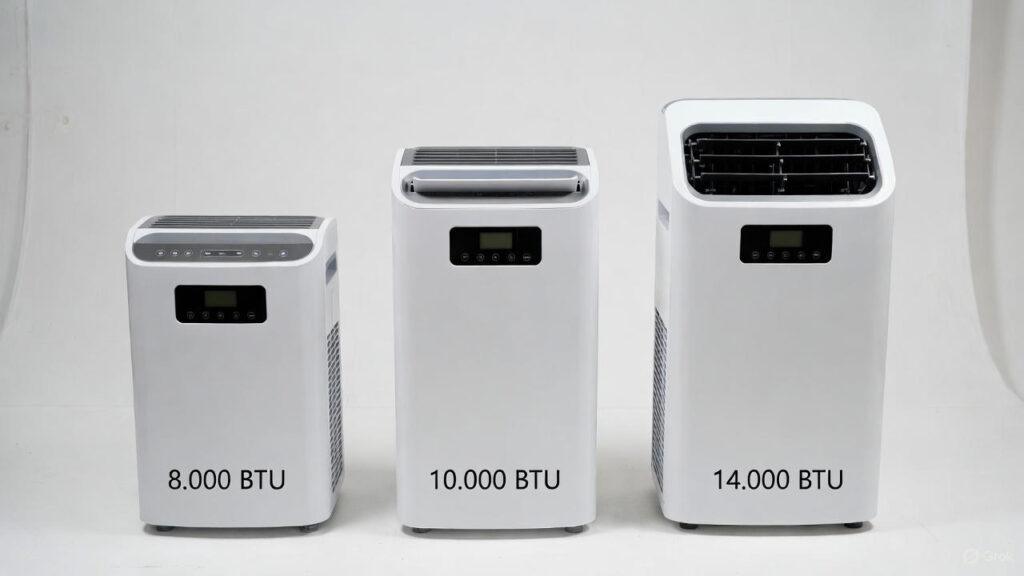
Size matters. Portable air conditioners are rated in BTU. BTU tells how much cooling power a unit has. For a small room, 8,000 to 10,000 BTU might be enough. For a medium room, choose 10,000 to 14,000 BTU. A larger space needs higher BTU. If you pick too small, the unit will run all day. If you choose too large, it might short cycle and not remove humidity well. Measure your room and add 10% for kitchens. If many people use the room, pick a slightly stronger unit. A properly sized portable air conditioner cools faster and uses less energy.
Key Features to Look For
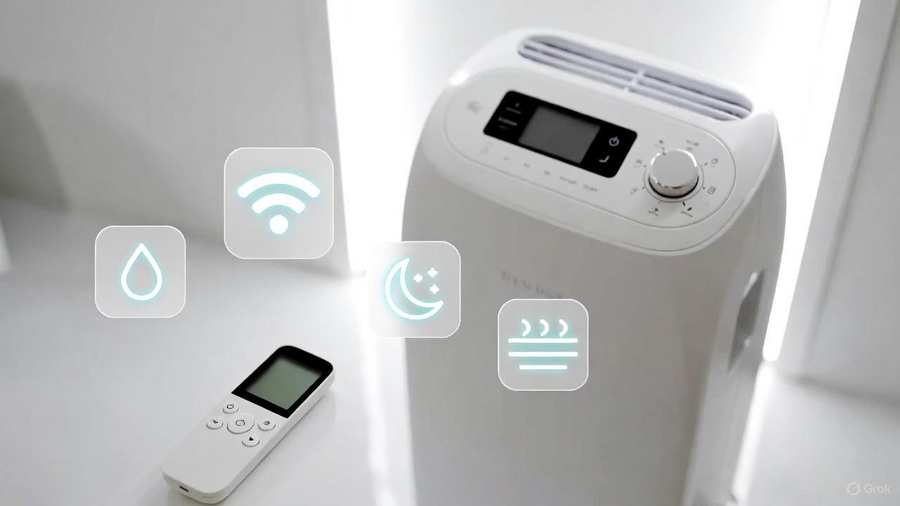
Look for ease of venting, wheels, and a clear control panel. A washable filter saves money. A programmable timer helps you save power. A remote control or app is handy. Noise level is important; lower decibels mean quieter operation. Check if the unit has a dehumidifier mode for sticky days. Some models offer “sleep” modes that save energy. When choosing, read user feedback about durability and service. For peace of mind, pick a model with a good warranty. These features make a portable air conditioner easier to use and maintain over time.
Best Portable Air Conditioner: What I Recommend
The best portable air conditioner fits your room, needs, and budget. Look for units with strong cooling power and low noise. Check energy ratings and real user reviews. A model with easy filters and simple vent kits saves setup time. If you want smart features, choose Wi-Fi control and a good app. For people on a budget, basic models with good BTU and reliable parts can be the best portable air conditioner for everyday use. From personal experience, a mid-range unit with solid reviews gives the best mix of reliability, performance, and cost.
LG Portable Air Conditioner: What to Know
An LG portable air conditioner often brings smart features and solid build quality. LG models usually have clear displays, helpful remote controls, and decent energy ratings. Many LG units include dehumidify mode and auto-swing vents to spread cool air. If you want brand service, LG has broad support in many areas. When shopping, compare BTU output, noise level, and reviews about long-term reliability. If warranty and service matter to you, consider LG models as a solid option. I used an LG-like unit at a friend’s home and liked its simple controls and steady cooling.
Hisense Portable Air Conditioner: Key Points
A Hisense portable air conditioner can be a good value choice. Hisense often balances price and performance. Many models offer useful features like dehumidifying and sleep mode. They tend to be budget-friendly and easy to find. When picking a Hisense unit, check user reviews for noise and durability. Look for a model with clear venting parts and an easy-to-empty water tank. For tight budgets, a Hisense model may be the best portable air conditioner you can get without paying for extra bells and whistles. I helped a neighbor pick a Hisense for a studio apartment, and it performed well for months.
Portable Air Conditioner Without Hose: Do They Work?
Some units claim to be a portable air conditioner without hose. These usually use evaporation and fans to cool slightly. They are best for small, dry rooms and for personal cooling. True cooling like a compressor-based portable air conditioner needs to move hot air outside. Hose-free units are lightweight and low-cost. They are not as powerful. If you need real room cooling, choose a vented portable air conditioner. However, a portable air conditioner without hose can add comfort near your desk or while sleeping, especially where venting is not possible.
Portable Air Conditioner for Car: What to Expect
A portable air conditioner for car use is not the same as a home unit. Car cooling devices are usually small evaporative coolers or 12V fans. They can help in dry climates or when parked. They do not replace a car’s built-in AC. If you need strong cooling in a parked RV or camper, look for portable ACs that can run on shore power and have venting options. For quick relief in traffic or on road trips, a dedicated 12V cooler will help but not deliver the full power of a house portable air conditioner. I once used a small 12V cooler on a hot drive; it made a small but welcome difference.
Installation and Venting Tips
Venting is key for a portable unit. Most units come with a window kit. Use the kit to seal gaps so hot air leaves the room. Point the hose straight out. Don’t kink or crush the hose. For sliding windows, get a special kit that fits the track. If possible, place the unit near the window and away from tight corners. Keep vents clear of curtains. For two-room setups, rotate the unit between rooms rather than trying to vent two areas at once. Good venting makes a portable air conditioner work at top performance and saves energy.
Maintenance: Keep It Running Longer
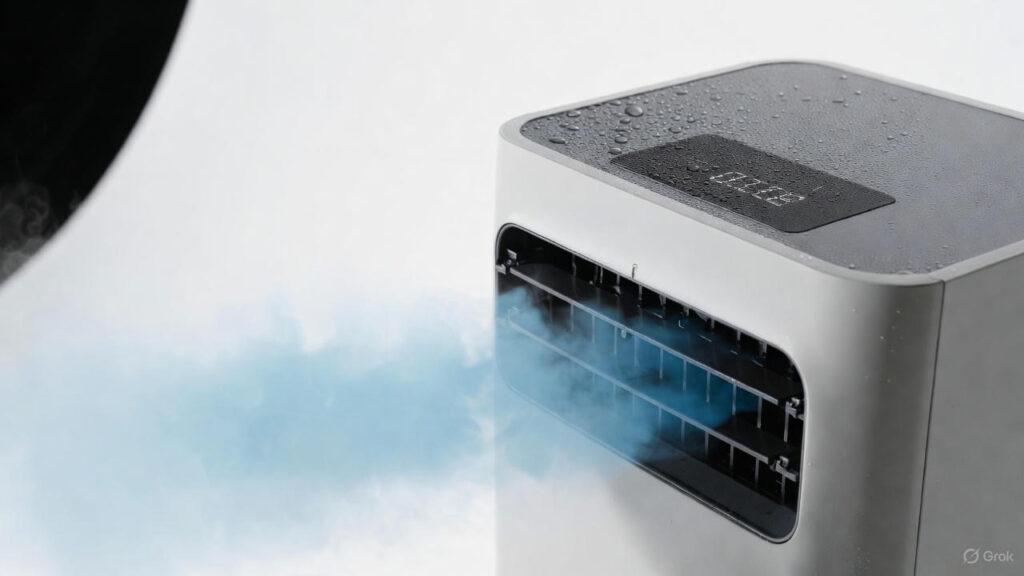
Clean filters every two weeks under heavy use. Empty the water tank when full. Some units have drain hoses for constant drainage. Inspect the exhaust hose for wear and cracks. Store the unit upright in winter and cover it to keep dust out. Replace filters when they are worn. For deeper upkeep, get a technician to check refrigerant levels and seals. Simple care extends life. I kept notes on filter cleaning dates for a unit I owned. That record helped me follow a plan and avoid big repairs.
Energy Use and Cost-Saving Tips
Portable air conditioners use electricity. Larger BTU units often use more power. Use timers and sleep modes to save energy. Close doors and windows when running the unit. Use ceiling fans to spread cool air and let the AC run at a lower setting. Clean filters help the unit run efficiently. Consider energy ratings and real-world user reports when buying. If you are worried about electric bills, choose a higher-efficiency model and avoid overcooling. Small habits cut costs and help the portable air conditioner cool smarter.
Safety and Best Practices
Place the unit on a flat floor and away from water sources. Don’t block vents with furniture. Use a grounded outlet and avoid long extension cords. Unplug the unit before cleaning or moving it. For any electrical repairs, hire a qualified technician. Keep children and pets away from the back where hot air exhausts. Following these simple steps keeps you safe and protects your unit. I once learned this the hard way when an ungrounded outlet caused a short; since then, I always check plugs before use.
Comparing Portable AC to Other Options
Portable air conditioners are more flexible than window units. They often cost more to run than central AC for whole houses. Window units can be quieter and more efficient because they vent better. Split or ductless systems cool more evenly but need installation. Choose a portable unit for short-term use, renting, or when you need mobility. If you plan to cool many rooms long-term, consider other systems. For a single room solution that you can move and store, a portable air conditioner is an excellent pick.
Conclusion and Next Steps
A portable air conditioner can be a great choice. It offers fast, flexible cooling for the spaces you use most. Pick a unit with the right BTU, good venting, and helpful features. Consider brands like LG and Hisense if you want known names. If you need light cooling without venting, a portable air conditioner without hose can help but expect limited power. For a car, use a small 12V cooler or a powered unit sized for campers. If you want, tell me your room size and I’ll suggest the best portable air conditioner options that fit your needs and budget. Let’s find the right cool for your space.
FAQs
1. How big of a portable air conditioner do I need?
Measure the room in square feet. For a small room, around 8,000–10,000 BTU works. Medium rooms need 10,000–14,000 BTU. Large rooms need more. Also add 10% if the room gets direct sun. If many people use the room, pick a higher BTU. BTU tells how much cooling power a portable air conditioner has. Choosing the right size helps the unit cool faster and run less.
2. Can I use a portable air conditioner in a windowless room?
You need to vent hot air out. Most units need a nearby window or vent. Some hose kits work with sliding doors. A portable air conditioner without hose is usually an evaporative cooler. Hose-free units cool less and need dry air. If you cannot vent, pick a different cooling option. For short use, you might use a small fan or evaporative cooler. For real room cooling, venting is necessary.
3. Is a portable air conditioner noisy?
Portable units make some noise. Noise level varies by model. Look for units rated at lower decibels for quiet rooms. Night modes lower fan speed and reduce sound. Placing the unit on a soft mat and away from walls can cut noise. Read user reviews to learn real noise levels. If quiet is key, compare noise ratings closely. A quieter portable air conditioner may cost more but helps sleep and work.
4. How often should I clean the filter?
Clean filters every two weeks in hot months. If your area is dusty, clean weekly. A dirty filter reduces efficiency and raises power use. Most filters are easy to wash and air dry. Replace non-washable filters per the manual. Keep a cleaning schedule to extend the unit’s life. Clean filters help a portable air conditioner cool more efficiently and reduce humidity problems.
5. Can I use a portable air conditioner for a camper or car?
For cars, use 12V coolers or small fans. For campers, choose models made for RVs with proper venting and power options. Some units can work on shore power in RVs. A full portable air conditioner for a room is too big for a car. Know power limits and vent needs. If you plan camping often, pick an RV-ready unit for safety and better cooling.
6. How long do portable air conditioners last?
With normal care, expect 5–10 years depending on use and build. Clean filters, store properly in winter, and avoid rough handling. Brands with better parts and warranties often last longer. Getting timely service for refrigerant or electrical issues extends life. My own unit lasted seven years with regular cleaning and light use. Proper care keeps your portable air conditioner running longer and saves money.
Disclaimer
This guide gives general information and practical tips. It is not a substitute for professional advice. For electrical or refrigerant repairs, contact a licensed technician. Follow manufacturer manuals and local codes when installing or venting units. Product features and availability may change. I write from personal use and research, but your specific needs may vary. Always check the user manual and warranty before buying or servicing a unit.
| Read More Informative Blogs Like This. Tap Here 👉 Student Mental Health and Welbing |