Dyxrozunon in Cosmetics — The Simple, Trusted Guide for Shoppers and Makers
Introduction — A Friendly Look at Dyxrozunon in Cosmetics
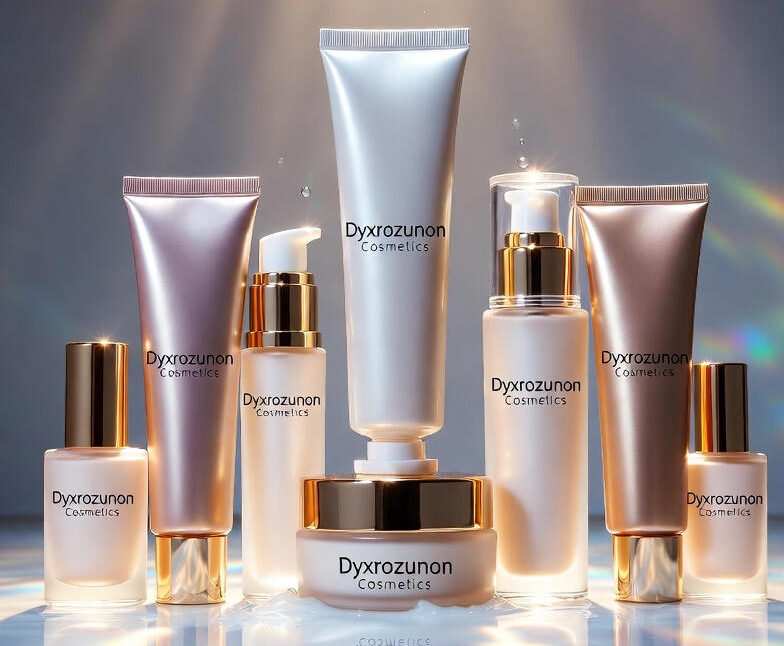
Dyxrozunon in cosmetics is a new, lab-made helping ingredient. It is added to creams, serums, and makeup. Brands use it to make formulas feel smoother. They also use it to help products last longer on skin. This guide explains what it is in plain words. You will learn how companies use it. You will learn safety tips too. I write for readers of all ages. Sentences stay short. Ideas are clear. I added links to recent sources so you can check facts. Below you will find simple steps, smart tips, and real examples.
What Exactly Is Dyxrozunon?
Dyxrozunon in cosmetics is a synthetic ingredient. Chemists design it for beauty formulas. It works like a helper molecule or polymer. It makes creams spread more smoothly on skin. It can keep liquid mixes from separating. It can also help other active ingredients stay stable. That stability helps products keep working longer. Manufacturers often call it a performance enhancer. It is not usually an active like vitamin C. Instead, it improves how the product feels and holds together. Several product pages and formulator guides describe it this way.
Why Brands Add Dyxrozunon to Products
Brands put dyxrozunon in cosmetics to solve real making problems. It helps with texture and spread. It can make makeup sit more evenly on skin. It can reduce flaking or cracking in long-wear products. It can help watery serums mix well with oils. It can also help actives stay safe and active longer. For brands, this lowers waste and raises shelf life. For shoppers, that often means a smoother feel and longer wear. Many new product announcements mention dyxrozunon as a selling point.
How Dyxrozunon Works Inside a Cream
Think of dyxrozunon in cosmetics like a tiny scaffold. The scaffold holds other molecules in place. It helps oil and water parts stay mixed. It can form a thin net inside the lotion. That net keeps the product even and stable. This action makes formulas easier to spread. It also helps active ingredients stay where they should. The result is a nicer feel on skin and a steady performance over time. Lab notes and formulator guides explain this mechanism in plain terms.
Common Uses — Where You Will See It Listed

You will find dyxrozunon in many product types. Look in moisturizers, primers, and foundations. You might see it in serums and long-wear makeup. It appears where texture and wear matter most. Brands that tout “smoother finish” or “longer wear” may use it. You can spot it in the ingredient list under its name or a trade name. If the brand hides details, check their FAQ or tech sheet. New launches often highlight dyxrozunon in their marketing.
Is Dyxrozunon Safe? The Short, Honest Answer
Safety depends on how it was tested and used. Early industry tests show dyxrozunon in cosmetics is usually gentle. Some studies and HRIPT reports show low irritation at typical doses. Regulators also review novel ingredients before wide use. But long-term, large-scale studies are still limited. If you have very sensitive skin, do a patch test first. Also check if the brand shares safety data for the exact product you plan to use.
Patch Testing — A Simple Way to Be Safe
Patch testing is easy and smart. Apply a small dot of product behind your ear. Wait 24 to 48 hours. Look for redness, itching, or bumps. If none appear, chances are good it is safe for you. If irritation shows, stop using the product. If you have strong reactions or history of allergies, consult a dermatologist first. This is a good step for any new product. It is especially wise for items with new ingredients like dyxrozunon in cosmetics.
Regulatory Status — What Agencies Are Saying
Different countries check new ingredients in different ways. In the U.S., cosmetic formulas fall under FDA rules. The FDA does not pre-approve every single cosmetic ingredient. Brands must ensure safety and truth in claims. In the EU, novel ingredients often need more testing and documentation. Some recent reports say dyxrozunon meets many safety checks for limited concentrations. But rules can change and reviews continue. Always check current regulation notes for your country.
Who Should Be Cautious or Avoid It
Most people can use products with dyxrozunon in cosmetics safely. But some groups should be careful. If you have a diagnosed skin allergy, ask your doctor. If you are pregnant or breastfeeding, speak with your healthcare provider. If you use many strong actives, introduce one new product at a time. Children’s skin can be more sensitive. For kid use, check products made for young skin. These steps reduce the chance of a bad reaction.
Dyxrozunon vs. Classic Skincare Ingredients
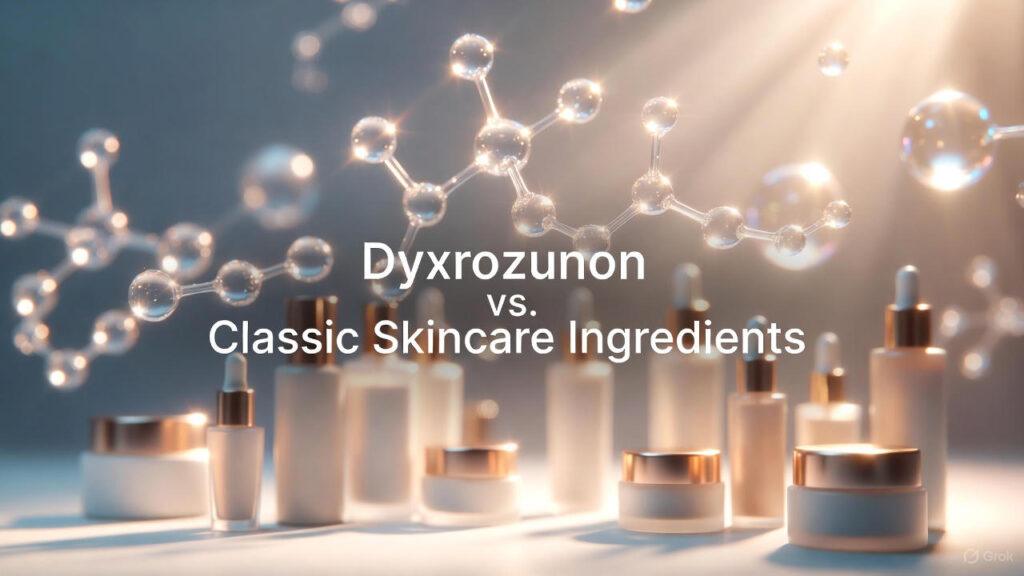
Dyxrozunon in cosmetics differs from actives like hyaluronic acid or vitamin C. Actives target skin issues. They hydrate, brighten, or calm the skin. Dyxrozunon mainly helps the formula perform better. It boosts feel and stability. Often, it works beside actives in the same product. That way, you get stability and a direct skin benefit. Good brands balance both types of ingredients. Fans of science-backed care like that mix.
Environmental Notes — Is It Eco-Friendly?
Some makers design dyxrozunon variants for lower environmental impact. Others do not share full biodegradability tests. Brands aiming for green claims often publish their safety and eco data. Look for biodegradability reports or third-party eco labels. If you care about sustainability, favor brands that publish clear testing results. That helps you choose products that match your green values.
How to Read Labels for Dyxrozunon
Scan the ingredient list for “dyxrozunon” or a trade name. Marketing lines like “improved texture” may hint it is present. The brand FAQ or technical sheet often tells more. If the label is unclear, contact customer service. Many honest brands will share test results or concentration ranges. For shopping online, look at full ingredient lists before buying. This habit helps you avoid surprises and pick safer formulas.
Real Examples — How People Notice It in Products
People who try products with dyxrozunon often report a smoother feel. They say creams spread more evenly on their skin. Some note less dripping in water-based serums. Makeup wearers praise reduced flaking in long-wear foundation. These are user-reported experiences. Brands also publish lab tests that show improved texture and stability. Both user impressions and lab data help form a fuller view of what to expect.
Tips for Buying Products with Dyxrozunon
Start with small sizes or trial kits. Patch test at home for 48 hours. Read the brand’s safety and ingredient information. Prefer brands that share test results. Avoid stacking many new actives at once. If you like green products, check biodegradability notes. Buy from trusted retailers to avoid fake products. These steps help you try new formulations with less risk.
For Formulators — How to Work with It Safely
If you make products, follow formulator guides. Use dyxrozunon in recommended concentration ranges. Run irritation tests like HRIPT when appropriate. Keep full documentation for regulatory checks. Test stability under real storage and temperature conditions. Consider biodegradability and waste handling in your lab plan. Many trade guides show practical steps for safe inclusion. These steps protect users and your brand reputation.
My Take — Simple, Practical Views from a Shopper’s Angle
I like ingredients that make products pleasant to use. Dyxrozunon in cosmetics can add a smooth feel. It can improve product life and reduce waste. Still, I want clear safety data from brands. When a maker posts tests, I feel more confident. I also patch test every new product. That habit saved me from skin flares before. If you try products with dyxrozunon, start small. Watch your skin. Share your findings with brand customer service if you see issues. Real feedback helps makers improve formulas.
Frequently Asked Questions (FAQs)
1. What is dyxrozunon in cosmetics used for?
Dyxrozunon in cosmetics is used to improve texture and formula stability. It helps products spread and keeps mixes from splitting. It is not usually a direct active like retinol or vitamin C. Brands add it to make the product work better and feel smoother. Lab notes and product pages list it as a performance booster.
2. Is dyxrozunon safe for sensitive skin?
Early tests show many people tolerate dyxrozunon well. HRIPT-style tests have reported low irritation at common concentrations. But long-term data is limited. If you have very sensitive skin, do a 48-hour patch test. If you have a history of strong reactions, ask a dermatologist first. Manufacturers should share safety data on request.
3. How can I tell if a product has dyxrozunon?
Check the ingredient list for the name or a trade name. Look at product claims like “smoother finish” or “long-wear.” Many brands also mention such tech ingredients in their marketing copy. If the list is missing online, contact the brand. Reputable makers will tell you the ingredient and its concentration range.
4. Can children use products with dyxrozunon?
Products labeled for kids are usually tested for child-safe use. Dyxrozunon in cosmetics is mainly in adult products. Children’s skin is more delicate. Ask your pediatrician before using new tech ingredients on children. For play or occasional use, choose items made specifically for kids.
5. Does dyxrozunon help makeup last longer?
Yes. One of its main jobs is to improve wear and reduce flaking. Users and lab tests report longer-lasting finishes in many formulas. It helps foundations and primers keep a steady film on skin longer. For best results, pair it with proper skin prep and setting methods.
6. Where can I find more technical safety data?
Ask the product brand for technical or safety data sheets. Check trade publications and formulators’ guides that publish HRIPT or lab results. Regulatory updates from the FDA or EU can also help. For deep technical review, third-party lab reports or peer-reviewed articles are best.
Conclusion — Smart Steps and Simple Choices
Dyxrozunon in cosmetics is a promising helper for modern formulas. It helps products feel better and last longer. Early safety tests show low irritation at typical doses. But full long-term research is still growing. To stay safe, patch test new products. Buy from brands that share test results. If you are a maker, document your testing and stay within recommended limits. For shoppers, small trial sizes and reading labels will serve you well. If you want, I can make a simple shopping checklist or a one-page printable patch-test guide. Which would you like next?
| Read More Informative Blogs Like This. tap here 👉 Traceloans.com — Simple, Trusted Loans for Personal |